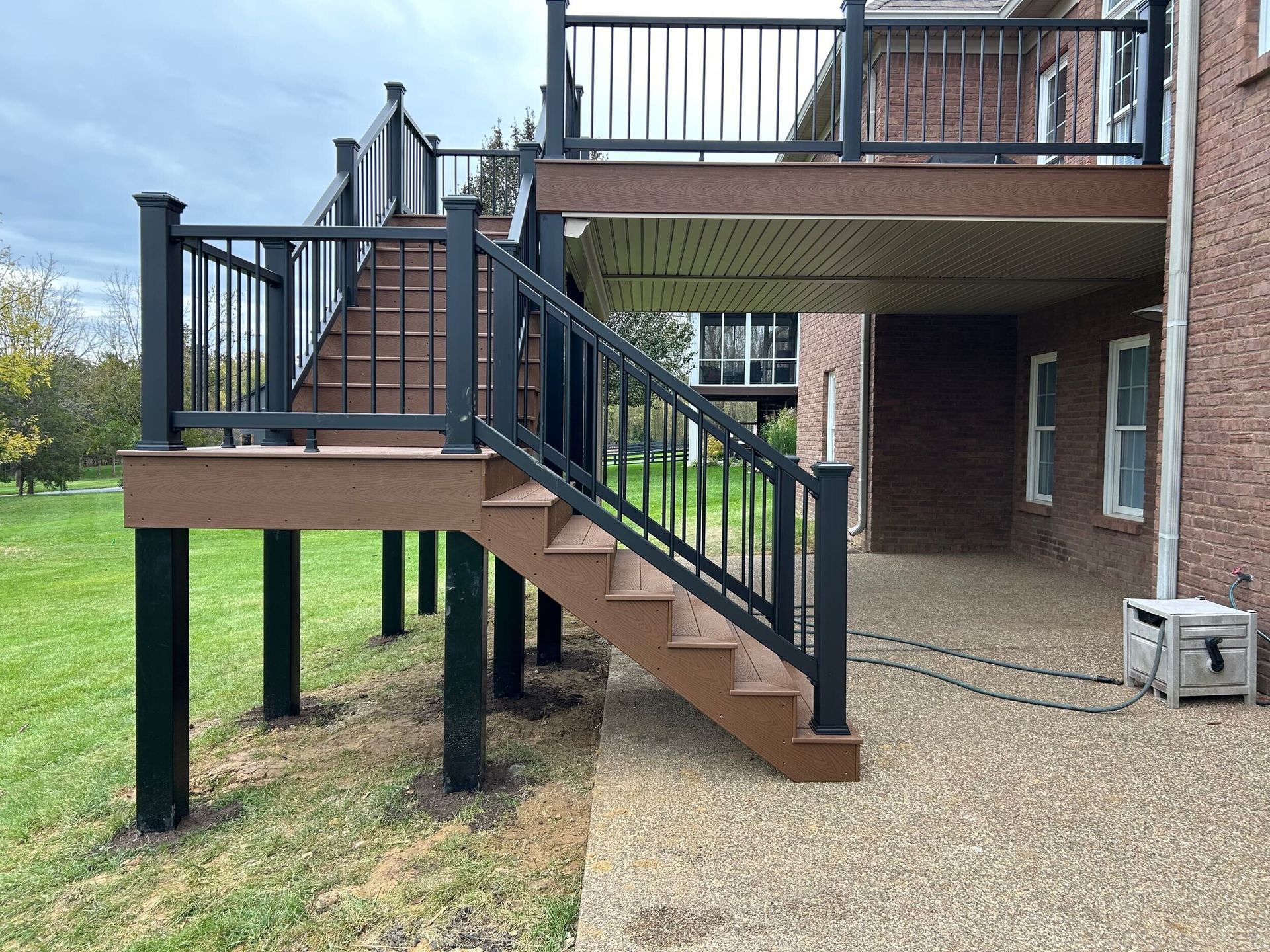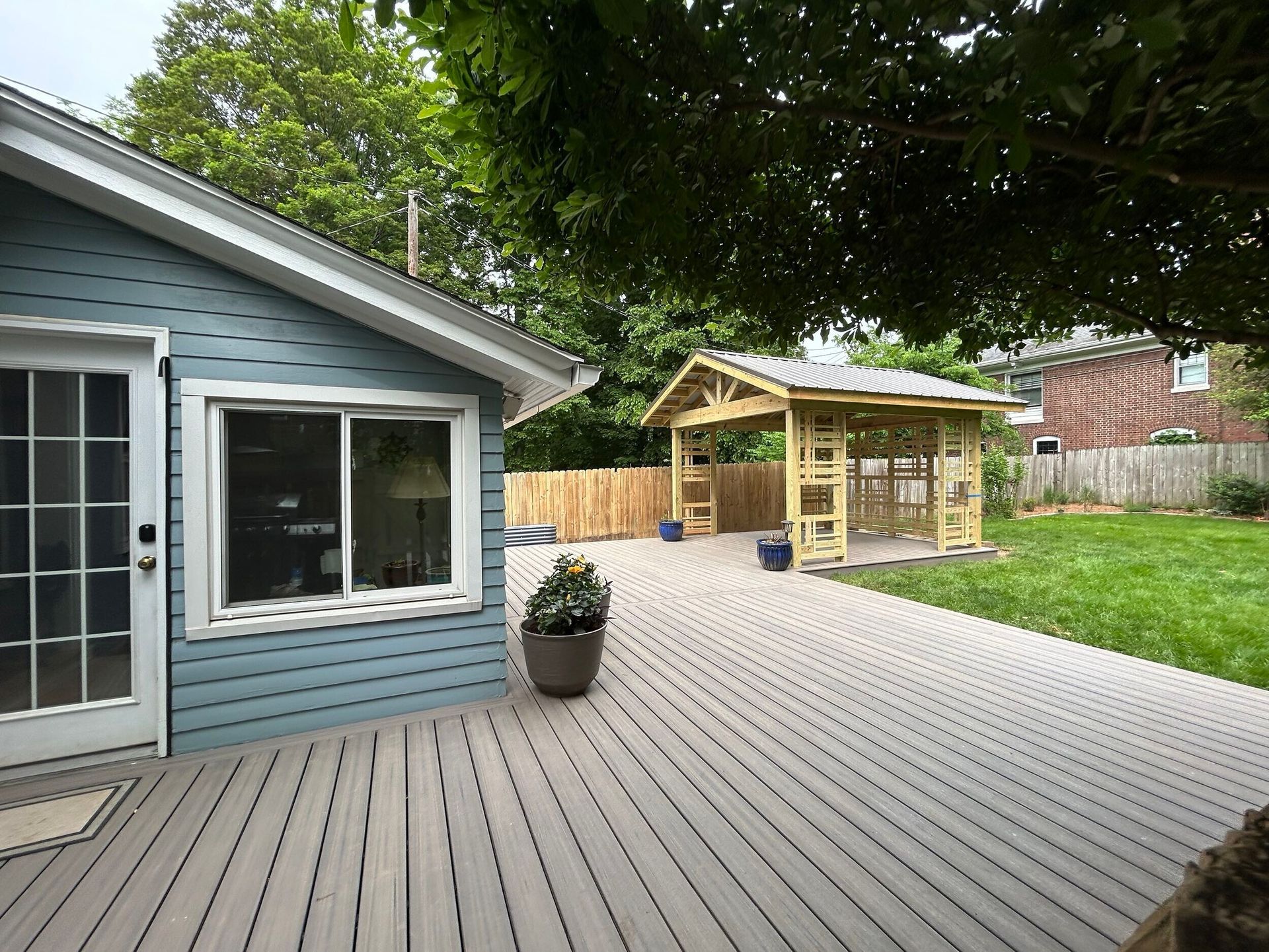

Trex vs Wood Decking: What Homeowners Should Know Before Building a Deck
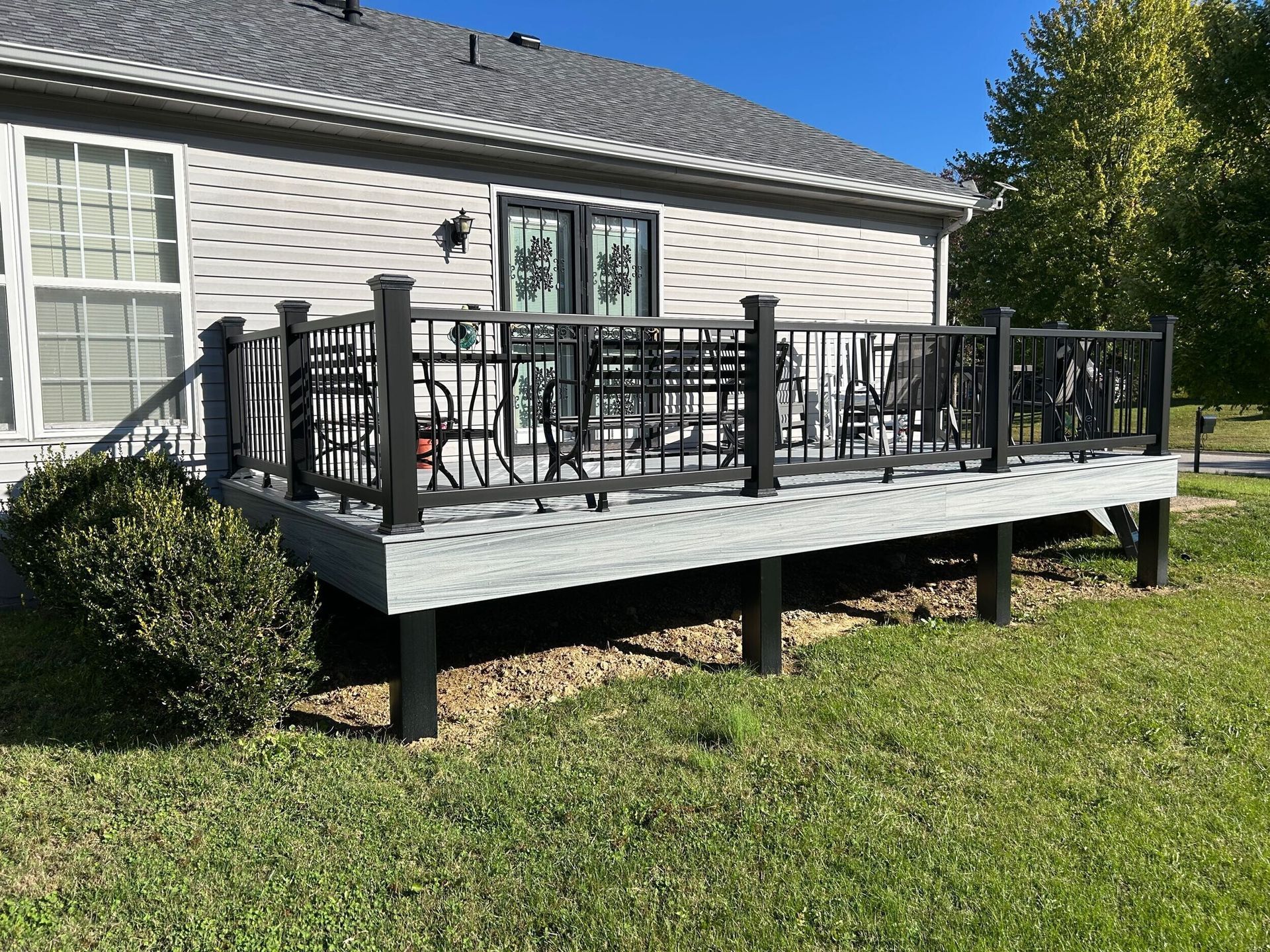
Outdoor living spaces have become one of the most valuable upgrades homeowners can make to their property. A well-designed deck expands usable living space, creates a place for entertaining family and friends, and can significantly increase the overall value of a home.
One of the most important decisions homeowners must make when planning a new deck is choosing the right material. For decades, traditional wood decking was the standard. Today, however, many homeowners are choosing composite decking systems like Trex because of their durability, low maintenance, and long-term value.
If you are planning a deck project, understanding the differences between Trex vs wood decking, the importance of hiring a certified installer, and the long-term benefits of composite materials can help you make a more informed decision.
This guide will walk through the key differences between wood and Trex decking so you can determine which option best fits your home and lifestyle.
Trex vs Wood Decking
When comparing decking materials, homeowners often start by looking at the two most common options: traditional wood decking and composite decking such as Trex.
Both materials can create beautiful outdoor spaces, but they perform very differently over time.
Traditional Wood Decking
Wood decks have been used in residential construction for decades. The most common types of wood decking include:
- Pressure-treated lumber
- Cedar
- Redwood
Many homeowners choose wood because it offers a natural appearance and lower upfront installation cost.
Wood decks can also be easier for contractors to modify during installation.
However, wood decking comes with several long-term challenges that homeowners should consider before building.
Because wood is a natural material, it is vulnerable to weather conditions such as moisture, sunlight, and temperature changes. Over time, wood decks commonly develop issues including:
- Splintering boards
- Warping and cupping
- Nail pops
- Mold and mildew growth
- Rot and decay
In climates with seasonal weather changes, these issues can appear even sooner.
Wood decks also require consistent maintenance to preserve their appearance and structural integrity. Homeowners must typically stain and seal their decks every few years to protect the wood from moisture damage and sun exposure.
Without proper maintenance, wood decks may begin to deteriorate in as little as 10 to 15 years.
Trex Composite Decking
Trex decking is a high-performance composite material made from recycled wood fibers and plastic film. This combination creates a durable decking board designed specifically for outdoor environments.
Trex pioneered the composite decking industry and is now one of the most trusted brands in outdoor living products.
Unlike traditional wood, Trex boards are engineered to resist many of the issues that commonly affect wood decks. Trex decking is designed to resist:
- Rot and moisture damage
- Splintering and cracking
- Insect damage
- Warping from temperature changes
- Fading from UV exposure
Trex offers several product lines designed to fit different budgets and design preferences.
Popular Trex product lines include:
- Trex Enhance – entry level composite decking
- Trex Select – mid-range performance and durability
- Trex Transcend – premium composite decking with rich colors and textures
- Trex Lineage – advanced composite decking designed to stay cooler in sunlight
Because Trex is designed for long-term durability, many of their products include 25–50 year manufacturer warranties.
This long lifespan is one of the main reasons composite decking has become so popular among homeowners who want a long-lasting outdoor living space.